Starting day trading with a small amount is a great way to get comfortable with the process without risking too much money. But how much do you need to get started? A common misconception is that you need a lot of money to start trading stocks. While a larger account can offer more flexibility, many brokers now allow you to begin with just a few hundred dollars. Still, one of the biggest questions beginners ask is, is day trading profitable? The answer depends on your strategy, discipline, risk management, and market knowledge. This article will break down what you really need to know before jumping in.
In reality, you can start trading stocks with a small amount, even smaller than you think. In this guide, we will explore the question of how much money you need to start trading stocks, as well as how much day traders typically make. If you’re looking for a low-barrier entry point, consider working with a Fx2 funding prop trading firm, which allows you to trade using their capital after evaluation.
What is Stock Trading
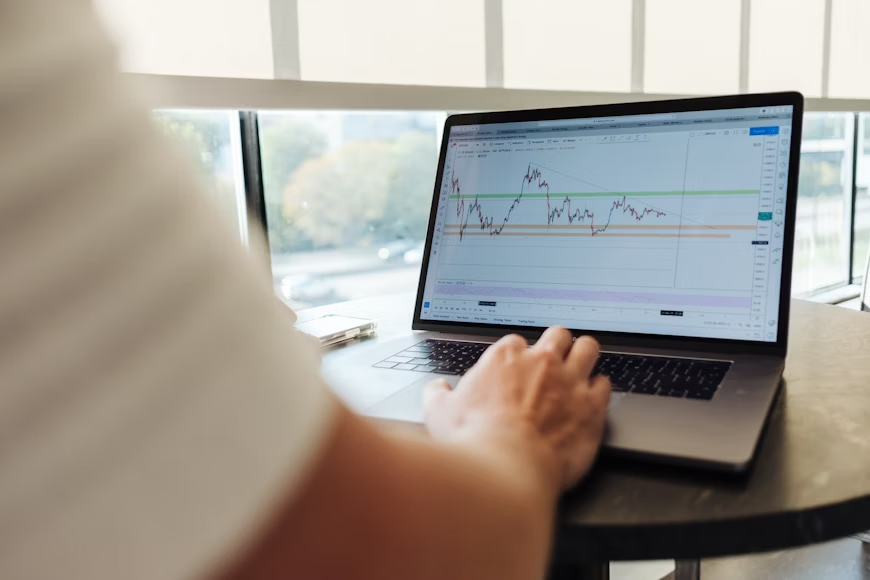
Stock trading involves buying and selling shares of companies over short periods to capitalize on price movements. Unlike investing, which focuses on holding stocks for years to build wealth gradually, trading aims to profit from quick shifts in market prices sometimes within hours, days, or weeks.
Traders seek to exploit these short-term fluctuations by purchasing stocks at lower prices and selling them when prices rise. This approach requires careful timing and attention to market trends. However, trading is not a guaranteed path to quick riches. Day trading, the practice of buying and selling stocks within the same day, is often discouraged for beginners due to its high risk and complexity. Many novice traders end up losing money trying to chase fast profits.
If you’re new to the stock market, it’s wiser to start with longer-term trading strategies rather than diving straight into day trading. Opening a brokerage account is the first step, followed by setting a realistic budget that you can afford to risk. Remember, successful trading depends more on having a well-thought-out plan, discipline, and solid risk management than simply the amount of money you invest.
For traders looking to accelerate their journey, programs like FX2 Funding offer valuable opportunities. FX2 Funding supports day traders by providing access to capital through funded trader programs, enabling individuals to trade with the company’s funds after passing evaluation criteria. This model allows traders to focus on strategy and discipline without the pressure of risking their substantial capital upfront, making it an appealing option for those serious about developing their trading skills.
At FX2 Funding, we’ve built our proprietary trading firm on the principles of reliability, transparency, and trader success. We stand apart in a crowded industry by delivering what matters most to serious traders: consistently fast payouts, transparent and unchanging rules, and responsive support from experienced trading professionals. Our MT5 platform provides the professional environment traders need to succeed, while our scaling program enables growth from $25,000 to over $400,000 in funding as performance milestones are achieved.
We’ve designed our evaluation process to identify skilled traders and provide them with significant capital without requiring personal financial risk or large upfront investments. Whether you’re an aspiring trader looking to break into the industry or an experienced professional seeking reliable backing, FX2 Funding offers the trustworthy foundation you need to build a successful trading career. Get started with an evaluation account today and discover why thousands of traders worldwide choose FX2 Funding as their prop trading firm partner.
Related Reading
- How to Become an Investor With No Money
- How to Flip Money
- Most Profitable Trading Strategy
- Is Swing Trading Better Than Day Trading
- Part Time Trading
- How Long Does It Take to Become a Profitable Day Trader
- How to Pick Good Stocks for Short-term
Factors Influencing How Much Money You Need to Start Trading Stocks
Trading Style and Regulatory Requirements
Your chosen trading style has a significant impact on the capital required to start. Day trading, which involves buying and selling stocks within the same day, usually demands more substantial capital due to regulatory minimums and margin requirements. For example, in the U.S., the Financial Industry Regulatory Authority (FINRA) requires pattern day traders to maintain a minimum equity of $25,000 in their accounts. In contrast, swing trading or position trading, which involve holding stocks for days or weeks, can start with much less capital since they do not have such stringent rules.
Brokerage Account Minimums and Fees
Different brokers have varying minimum deposit requirements. Some online brokers allow you to open an account with as little as $100, while others may require $1,000 or more. Additionally, brokerage fees such as commissions, platform fees, or account maintenance charges can impact the amount of money you need upfront. Choosing a broker with low or zero commissions and minimal fees can reduce your initial capital needs.
Risk Tolerance and Money Management Strategy
Your personal risk tolerance plays a crucial role in determining your starting capital. A standard guideline is the “1% rule,” which suggests you should risk no more than 1% of your trading capital on any single trade to protect your account from significant losses. This means if you have $10,000 to trade, you should risk only $100 per trade. Aligning your capital with your risk management strategy helps sustain your trading activity over time and prevents your funds from being depleted quickly.
Access to Market Data and Trading Tools
Having access to real-time market data and advanced trading platforms often comes with costs that can influence your initial investment. While some brokers provide free access to basic tools and data, more sophisticated platforms or premium data feeds might require additional fees. These expenses should be factored into your overall trading budget to ensure you have the necessary resources for effective decision-making.
Financial Situation and Emergency Funds
Before allocating money to trading, it is essential to assess your overall financial health. Experts recommend having an emergency fund that covers three to six months of living expenses to avoid needing to withdraw from your trading capital in the event of unforeseen circumstances. Only discretionary income —funds you can afford to lose without impacting your daily life —should be used for trading. This cautious approach helps prevent financial strain and emotional trading mistakes.
Trading Goals and Time Horizon
Your objectives and the timeframe for your trading also influence the amount of money you should start with. Longer-term traders may initially allocate smaller amounts, focusing on gradual growth. At the same time, those seeking quicker returns through active trading may require more capital to meet margin requirements and absorb potential losses. Understanding your goals helps tailor your capital allocation to realistic expectations.
Typical Capital Requirements by Trading Style

When entering the world of trading, understanding the capital needed for different trading styles is crucial. These requirements vary significantly depending on the strategy, risk tolerance, and regulatory environment. Below is an overview of typical capital thresholds for three main trading styles: day trading, swing trading, and position trading. These figures serve as general guidelines and may vary depending on the broker and region.
Day Trading
Day trading demands the highest capital among common trading styles, primarily due to regulatory rules and the rapid pace of trades. In the United States, the pattern day trader rule requires a minimum account balance of $25,000 to execute four or more day trades within a five-business-day period. This regulatory minimum is designed to ensure traders have sufficient funds to cover the high risks and potential losses associated with frequent trading.
Beyond regulatory requirements, day trading necessitates strict discipline and effective risk management, as positions are opened and closed within the same day, exposing traders to volatile price movements. The high capital threshold also enables adequate diversification and margin usage, which are crucial for sustaining the intense trading activity characteristic of this style.
Swing Trading
Swing trading typically requires a more moderate capital base, with standard starting amounts ranging from $1,000 to $5,000. This style involves holding positions for several days to weeks, aiming to capture short- to medium-term market trends. Because swing trading is less frequent than day trading, it faces fewer regulatory constraints, making it accessible to traders with smaller accounts.
The exact capital needed varies depending on the market and the trader’s risk tolerance. For example, swing trading stocks usually demands more capital due to margin requirements and volatility, whereas forex markets can be more capital-efficient. Additionally, traders must consider transaction costs and margin rules, which can impact the adequate capital needed to maintain positions over multiple days.
Position Trading
Position trading is characterized by a long-term investment horizon, with trades held for weeks, months, or even years. Due to its low trading frequency and more extended holding periods, this style generally requires the least capital, often between $500 and $1,000. This makes position trading particularly suitable for beginners or those with limited funds.
The lower capital requirement reflects the reduced need for immediate liquidity and the ability to ride out market fluctuations without frequent adjustments. Position traders focus more on fundamental analysis and long-term trends, which typically results in less emotional trading and lower transaction costs compared to shorter-term styles.
Essential Considerations Before You Start Trading
It is essential to note that these capital requirements are broad estimates and can vary widely depending on the broker’s policies, the specific market traded, and regional regulations. For instance, brokers may have minimum deposit requirements that differ from regulatory minimums, and margin rules can affect the amount of capital needed to open and maintain positions.
Traders should also consider their risk tolerance, trading goals, and the associated costs of trading, including commissions and spreads. Starting with adequate capital aligned with one’s trading style helps promote better risk management and increases the likelihood of sustainable trading success.
How to Start Trading Stocks with Limited Capital

Establishing a Trading Plan with Risk Management Before Investing
Building a sustainable trading strategy and plan is crucial for achieving long-term trading success, especially when capital is limited. A trading plan outlines specific techniques and approaches to help you meet your financial goals. It also enables you to avoid making emotional decisions based on fear or greed.
A robust risk management strategy is part of any trading plan. This strategy involves deciding how much of your capital you will risk on each trade. It also includes diversification to avoid heavy losses from any single position. With a clear trading plan and risk management strategy, you can navigate market fluctuations, protect your capital, and grow your account steadily over time.
Use Paper Trading to Practice Without Risking Money
Paper trading, or simulated trading, allows you to practice buying and selling stocks without using real money. This is an excellent way to test your trading strategies and understand market behavior without financial risk. Many brokers offer demo accounts, allowing you to trade virtual money and gain confidence while refining your approach.
Spending several months on paper trading before transitioning to live trading can help prevent costly mistakes and foster discipline. It’s a safe environment to learn how orders work, how to react to market changes, and how to manage trades effectively.
Choose Brokers with Low Minimum Deposits and Commission-Free Trades
Selecting the right broker is vital, especially when starting with limited capital. Look for brokerage firms that require low or no minimum deposits and offer commission-free trades. This reduces the upfront cost and ongoing fees, allowing you to keep more of your investment working for you.
Many modern online brokers cater to beginners by providing user-friendly platforms, educational resources, and fractional share investing options. These features help new traders access the market with small amounts and learn without being burdened by high costs.
Consider Fractional Shares to Invest Smaller Amounts in Expensive Stocks
Fractional shares enable you to buy a portion of a stock rather than a whole share, which is especially useful for high-priced stocks like Amazon or Google. This means you can diversify your portfolio and invest in leading companies even with minimal funds.
By using fractional shares, you avoid the barrier of high share prices and can allocate your capital more efficiently across different stocks. This approach helps balance risk and increases the potential for long-term growth.
Emphasize Patience and Gradual Capital Growth Over Get Rich Quick Mentality
Trading is not a shortcut to wealth; it requires patience, discipline, and continuous learning. Focus on growing your capital slowly and steadily by making informed decisions rather than chasing quick profits. This mindset helps avoid impulsive trades that can lead to significant losses.
Successful trading involves consistent effort and the understanding that building wealth through the stock market is a long-term journey. By prioritizing education and risk management, even traders with small capital can achieve meaningful growth over time.
Related Reading
- How Much Do Day Traders Make
- Simple Trading Strategy
- Is Options Trading Worth It
- What is Price Action in Trading
- Is Copy Trading Profitable
- How Much Money Do You Need to Start Day Trading
- Position Trading Strategy
- Short Term Options Trading
- How to Take Profits in Trading
The Role of Leverage and Funded Trading Accounts

Leverage in trading refers to the practice of borrowing capital to control a larger position than the trader’s funds would otherwise allow. This means a trader can amplify potential profits by increasing their market exposure. Still, it also significantly raises the risk of losses, as the borrowed amount must be repaid regardless of the trade outcome. For example, a leverage ratio of 20:1 enables a trader to control $20,000 worth of assets with just $1,000 of their own money. However, if the market moves against the trader, losses can exceed the initial investment, making leverage a double-edged sword that requires careful risk management.
Funded trading accounts offer a strategic alternative for traders who possess the necessary skills but lack sufficient capital to trade significant positions. FX2 Funding is one such prop trading firm that offers traders access to sizable funded accounts after a straightforward evaluation process. Instead of risking their own money, traders can qualify to manage accounts with capital ranging from $10,000 up to $400,000, keeping a substantial share of the profits, up to 95% in some cases. This setup shifts the financial risk from the trader to the firm, allowing traders to focus on strategy and discipline rather than capital constraints.
FX2 Funding’s model acts as a bridge for skilled traders who want to trade brighter, not just bigger. By providing funded accounts, FX2 Funding enables traders to start with significant capital and implement more effective risk management strategies without the pressure of risking their funds. This approach aligns with the goal of sustainable trading growth, where the emphasis is on consistent performance rather than reckless scaling.
Get Funded and Start Prop Trading Today

Day trading is a strategy that involves buying and selling securities within a single trading day. Day traders capitalize on small price fluctuations in highly liquid stocks or futures contracts to generate quick profits. They generally close out all positions before the market closes to avoid overnight risk and typically make dozens or hundreds of trades per day.
Day trading requires a strict discipline to execute a well-developed trading plan and quickly cut losses when trades don’t go as expected. It also requires a healthy amount of capital to generate profits that justify the excessive trading fees and taxes associated with short-term trading.
What Is a Day Trader?
A day trader is an individual who buys and sells securities within the same trading day. Day traders can range from individual investors to large professional trading firms. While many day traders operate independently, some work for established financial institutions that have their proprietary trading operations.
Day trading appeals to a specialized group of investors looking to profit from small price fluctuations in stocks or futures contracts. Unlike long-term investors who analyze a security’s fundamentals to determine its value, day traders focus on technical trends and charts to identify short-term trading opportunities.
What Do You Need to Start Day Trading?
Starting a day trading business is similar to launching any small business. First, you need to develop a sound trading plan, or strategy, that will guide your day trading decisions. This plan should include specific entry and exit criteria based on technical indicators, charts, or other tools that will help you identify day trading opportunities.
Next, you’ll need to open an online trading account, which can be done in a matter of minutes. Finally, it’s wise to practice your day trading strategy using a simulator or on a virtual trading platform before you begin risking real money.
How Much Money Do You Need to Start Day Trading?
The amount of money you need to start day trading depends on your individual goals and your trading strategy. For instance, if you want to open an account with a firm that follows the SEC’s pattern day trader rule, you’ll need at least $25,000 to get started. However, if you don’t have a substantial amount to invest, you can still engage in day trading. You’ll just have to limit your trading activity to avoid being flagged as a pattern day trader.
Do You Need to Pass a Test to Day Trade?
Most people who want to day trade for themselves can open an online brokerage account and get started. However, if you’re going to work for a proprietary trading firm, you may need to pass a test to demonstrate your day trading knowledge and skills. Prop firms often use these tests to determine whether you have what it takes to succeed as a trader. If you perform well, you may gain access to the firm’s capital to day trade.
How Does FX2 Funding Support Day Traders
At FX2 Funding, we’ve built our proprietary trading firm on the principles of reliability, transparency, and trader success. We stand apart in a crowded industry by delivering what matters most to serious traders: consistently fast payouts, transparent and unchanging rules, and responsive support from experienced trading professionals. Our MT5 platform provides the professional environment traders need to succeed, while our scaling program enables growth from $25,000 to over $400,000 in funding as performance milestones are achieved.
We’ve designed our evaluation process to identify skilled traders and provide them with significant capital without requiring personal financial risk or large upfront investments. Whether you’re an aspiring trader looking to break into the industry or an experienced professional seeking reliable backing, FX2 Funding offers the trustworthy foundation you need to build a successful trading career. Get started with an evaluation account today and discover why thousands of traders worldwide choose FX2 Funding as their prop trading firm partner.
Related Reading
- How Old Do You Have to Be to Start Trading
- What is Orb in Trading
- Best Stocks for Beginners
- Swing Trading Strategies
- Day Trading Indicators
- Trading Risk Management Tools
- Key Levels in Trading
- Best Market to Trade for Beginners