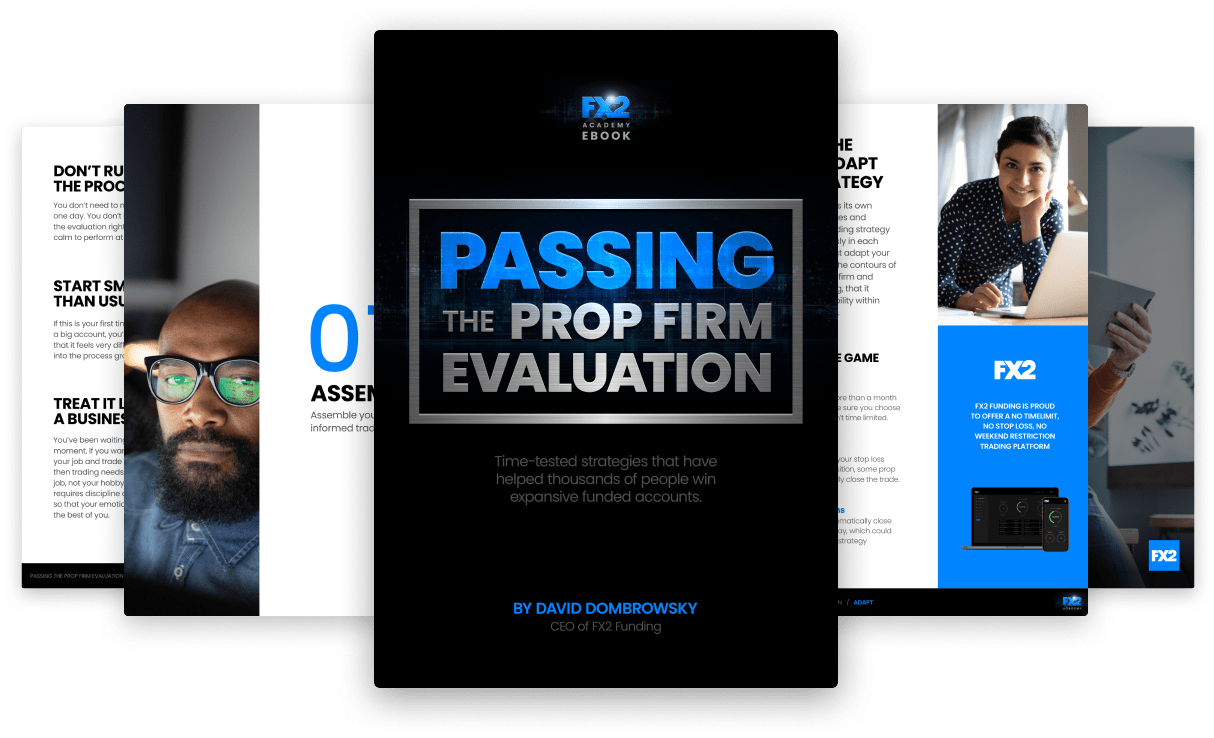
So you’ve mastered the basics of trading and have developed a solid strategy. But you want more than to go it alone and trade your own capital. You want to trade larger amounts of capital to help you reach your financial goals faster. And even more appealing is the prospect of trading with a team. Proprietary trading, or prop trading, offers you both opportunities. If you’ve ever wondered how to become a prop trader, you’re not alone—many independent traders seek this path to scale their skills and profits. But how do you transition from independent trading to prop trading? This article will explain how to get into prop trading and offer valuable insights to help you achieve your goals, such as successfully entering prop trading, mastering essential skills, and achieving long-term success and financial growth in the trading world.
FX2 Funding’s prop trading firm can also help you achieve your objectives. We provide traders with the tools they need for success, including a supportive structure to help you transition from independent trading to prop trading.
What is Prop Trading, and What Does a Prop Trader Do?

Proprietary trading, aka prop trading, is an online trading practice where financial firms use their own capital to engage in trading activities across various markets. These firms, known as proprietary or prop firms, employ skilled traders who execute trades with the firm’s funds, aiming to generate profits.
This differs from traditional CFD trading, where you use your money. Prop firms operate more like independent trading entities, using their own capital to take advantage of market opportunities. Many start their traders with simulated or demo accounts as a proving ground before granting access to live-funded accounts.
Simulated Assets
This allows traders to build skills across various asset classes by focusing on price movement strategies without risking real capital initially. These asset classes include:
- Forex
- Stocks
- Indices
- Commodities
- Crypto
Unlike brokerage firms that focus on executing trades for clients, prop firms provide traders with capital and tailored risk management tools within trading programs.
Prop Trading vs Traditional CFD Trading
The main difference between prop trading and traditional CFD trading is whose money you’re using. In prop trading, you trade with the firm’s funds and keep a share of profits, but follow their:
- Rules
- Risk limits
With traditional CFD trading, you use your own money, so while you keep all profits, you’re also fully responsible for any losses. Prop trading often includes growth options, while CFD trading offers more flexibility without firm-set rules.
What Do Prop Traders Trade?
Prop traders can trade a range of financial markets and assets like:
- Forex
- Stocks
- Commodities
- Indices
- Cryptocurrencies
While the available trading instruments depend on the prop firm you sign up with, most offer:
- Popular major forex pairs
- Key indices
- High-demand commodities
Forex pairs
Major currency pairs are typically offered, giving traders access to high-liquidity options. These pairs include:
- EUR/USD
- USD/JPY
- GBP/USD
Commodities
Traders often find key commodities ideal for those interested in hedging and high-demand assets. These include:
- Gold
- Silver
- Crude oil
Indices
Many prop firms offer top indices enabling traders to speculate on broad market movements. These firms include:
- S&P 500
- NASDAQ
- FTSE 100
Shares
Some firms provide access to major stocks popular for their volatility and trading volume, such as:
- Apple
- Microsoft
- Tesla
Crypto
Some firms offer cryptocurrencies, though the range can be more limited than that of other assets. These cryptocurrencies include:
- Bitcoin
- Ethereum
- Litecoin
Although some prop firms also provide access to cryptocurrency and smaller stock markets, only a few dominate this space. Read our DNA Funded Review or Blueberry Funded Review for more info on the best crypto prop firms.
Why Choose a Prop Trading Firm Over a Forex Broker?
Prop firms offer some key advantages over standard forex brokers. Most importantly, prop companies provide you with capital to trade instead of risking your funds. With a prop firm, you can access higher leverage than you’d be able to under FCA or ASIC regulation, allowing control over more prominent positions, while the firm absorbs potential losses.
Prop firms reward successful traders through profit sharing and scaling opportunities, increasing account size with consistent performance. This setup allows traders to grow their skills and capital under structured risk management, unlike personal accounts with forex brokers.
Benefits of Trading with a Prop Trading Firm’s Capital
Trading with a proprietary (prop) firm offers unique advantages that can accelerate your growth as a trader. With lower personal risk and increased profit potential, prop firms provide access to:
- Capital
- Higher leverage
- Performance-based rewards
Here’s a breakdown of key benefits:
- Access to firm capital, reducing personal risk
- Higher leverage, control larger trades
- Profit sharing, earn based on performance
- Scaling options, grow account with success
- Structured risk limits, develop skills safely
- Potential career path and trading job.
Related Reading
- What Is Prop Firm Trading
- Is Prop Trading Worth It
- Are Prop Trading Firms Legit
- How Do Prop Firms Work
- How Do Prop Firms Make Money
- Prop Trading vs. Hedge Fund
How to Get Into Prop Trading Without Prior Experience

Evaluate If Prop Trading Is Right for You
Starting a journey into prop trading? To thrive in this demanding field, assess if you have the:
- Skills
- Mindset
- Adaptability
Succeeding in prop trading demands a specific skill set beyond just understanding the markets:
- Discipline is crucial for adhering to trading plans and avoiding impulsive decisions, especially during volatile market conditions.
- Effective risk management ensures you protect your capital and make calculated trades, balancing risk and reward.
- Analytical thinking is equally important. It allows you to interpret complex market data, identify patterns, and make informed trading decisions.
Trading Temperament
Being self-aware and consistent in your approach to trading is vital. The ability to adapt your strategies to market conditions and recognize opportunities can set you apart. These fundamental skills lay the groundwork for building a thriving trading career. Your trading style and personality are important in determining your suitability for prop trading.
Are you a disciplined swing trader who prefers long-term analysis or a scalper drawn to fast-paced market action? Understanding your strengths and weaknesses can help you align your trading approach with the demands of prop firms. Consider:
- How well you handle pressure
- Whether you’re comfortable following strict rules set by firms
Mental Fortitude
If you thrive in structured environments and enjoy developing strategies, prop trading might be an excellent fit. Self-awareness is key to ensuring you’re prepared for the challenges and opportunities in this field. Trading is a high-pressure career where market volatility and performance expectations can test even the most experienced traders.
Resilience is essential to:
- Recover from losses
- Learn from mistakes
- Maintain focus
Adaptive Strategies
Traders must develop a mindset that views setbacks as opportunities for growth rather than failures. Adaptability is equally critical, as financial markets are dynamic and often unpredictable. Strategies that work in one market condition might fail in another, requiring traders to adjust their approaches swiftly.
Being flexible with your methods while staying true to your risk management principles will ensure long-term success.
Learn the Basics of Trading
To get into prop trading, building a strong foundation in trading fundamentals is essential. Understanding the different types of markets helps you identify where your strengths and interests lie because each market operates differently, with unique behaviors, risks, and opportunities that influence trading strategies.
Trading Strategy Development
This is where the classic saying Plan your trades and trade your plan comes in. A solid strategy acts as your roadmap, guiding you on when to buy and sell.
Risk Management
Trading comes with risks, and especially with prop trading, capital preservation is paramount. Understanding how to protect your capital is key.
Market Analysis
Learn how to study market trends and grasp the broader picture. Being aware of these trends helps you make informed decisions as they happen. This is also a good time to explore different markets and broaden your trading knowledge.
These markets include:
- Forex
- Crypto
- Stocks
- Indices
Strategic Mastery
Developing a solid understanding of strategies, including technical and fundamental analysis with a risk management plan, will enable you to:
- Identify opportunities
- Make informed decisions
Mastering tools can enhance your ability to predict market movements. These tools include:
- Fibonacci retracement
- Trends
- Support and resistance
Supply and demand - Moving averages
Free vs. Paid Learning Resources
Free resources like YouTube tutorials provide a solid starting point, while paid resources like online courses and mentorship programs offer structured learning and deeper insights. Combining both allows traders to master trading fundamentals and build trading strategies, making them a worthwhile investment for serious traders.
Whether free or paid, communities play an essential role in the learning process. Engaging with other traders allows you to:
- Exchange ideas
- Gain feedback
- Stay updated on market trends, ensuring a comprehensive approach to mastering trading.
Recommended Platforms for Practice and Analysis
To improve your trading skills, practice on reliable platforms such as:
- MetaTrader 4 or 5
- C Trader
- Trade Locker
- TradingView
These are popular choices among beginners and experienced traders, offering:
- Comprehensive charting tools
- Access to various markets
Risk-Free Practice
To practice without financial risk and refine your approach, consider:
- Using demo accounts
- Backtesting your strategies
Consistent practice on these platforms will refine your skills and prepare you for the trading journey.
Choose the Right Proprietary Firm
Finding the right prop trading firm is about more than just funding. It’s about choosing a partner that supports your:
- Long-term growth
- Success
Start by evaluating the firm’s funding programs, as they determine the amount of capital you can trade with. Look for firms that offer scalable funding options to support your growth. Profit splits are equally important; the more generous the profit share, the greater your potential earnings. Consider the variety of trading instruments available.
Diverse Markets
Firms with access to diverse markets offer flexibility and more opportunities to align with your trading strategy. These markets include:
- Forex
- Stocks
- Indices
- Commodities
Prioritize firms with robust support systems, including training:
- Resources
- Mentorship programs
- Responsive customer service
Forex Focus
For traders specifically interested in forex trading, selecting a firm that specializes in forex markets can provide:
- The best trading conditions
- Competitive spreads
- Strong risk management parameters
If you’re unsure where to start, exploring the best forex prop firms can help you identify the top firms that cater to forex traders and offer funding opportunities tailored to currency markets. A strong reputation and transparent policies are also essential.
Assess Reputation
Research reviews and testimonials to ensure the firm upholds its commitments to traders. By carefully assessing these factors, you can find a firm that perfectly aligns with your goals.
Choose a Trading Style That Suits You
There are multiple trading styles, each with its own rhythm and approach, and depending on your:
- Risk profile
- Trading preferences
You can try different trading approaches to determine what works best for you. Here are some popular trading strategies:
- Day Trading: This style is where trades are opened and closed within the same day. It requires quick decision-making and sharp focus on the market.
- Scalping: Scalpers aim for tiny, repetitive profits throughout the day. Scalpers must always be on their toes to capture small price movements quickly and frequently.
- Swing Trading: Unlike day trading and scalping, swing trading positions are held for several days or weeks to catch medium-term price trends. Patience and a broader market view are essential here.
Understanding and Passing the Evaluation Challenge
Most prop firms require traders to pass a challenge before they give you traders capital to trade. It’s their way of screening traders who are consistently profitable and within their rules before firms fund these traders. Prospective traders must show steady profits while:
- Avoiding big losses
- Managing risks appropriately
This helps firms find skilled, reliable traders rather than getting streaky or lucky traders.
Transition Into a Full-Time Prop Trading Career
Moving from evaluation to live trading involves adjusting from meeting targets to consistently generating profits while managing risk.
Traders should:
- Maintain discipline
- Avoid overleveraging
- Start with smaller positions to build confidence
Establishing a Sustainable Trading Routine
Create a consistent daily schedule for:
- Market analysis
- Trade execution
- Review
To prevent burnout:
- Prioritize risk management using tools like trading journals
- Take regular breaks
Sharp Focus
A healthy lifestyle and staying updated on market trends will help maintain focus and decision-making.
Make Good Use of Resources for Continuous Learning and Growth
To enhance your trading, utilize the firm’s resources, including:
- Coaching Advanced platforms
You can also start the scaling plan to:
- Gradually increase your trading capital
- Boost your earning potential
Stay Disciplined and Adapt to Market Changes
Adapt strategies to shifting market conditions by:
- Using diverse analysis methods
- Backtesting
Staying disciplined while adjusting your approach:
- Ensures consistency
- Helps prevent emotional decision-making
Community Engagement
To share insights and learn from others, engage with the trading community through:
- Forums
- Chat groups
- Webinars
Networking with experienced traders helps enhance your strategies and trading journey.
Related Reading
- Crypto Prop Trading
- Prop Trading Strategies
- Prop Desk Trading
- Best Prop Trading Firms for Beginners
- Highest Paying Prop Trading Firms
- Best Proprietary Trading Firms
- Best Prop Firms for US Traders
- Futures Prop Trading Firms
- Forex Prop Trading Firms
- Stock Prop Trading Firms
Common Mistakes Beginners Should Avoid in Prop Trading

Leverage looks attractive when you want to amp up your profits. But this tool is double-edged, quickly cutting your capital if the market moves against you. If you borrow too much money to trade and the market moves against you, you can incur significant losses quickly.
Yes, it can help you take more prominent positions that can help you reach your goals faster, but you have to be careful. The more you use, the riskier your trades become. And if you get too aggressive and hit a margin call, it can wipe out your trading account overnight.
How to avoid it:
- Start with Low Leverage: Use minimal leverage when you’re beginning and consider increasing it only as you gain trading experience and confidence in your strategies.
- Assess Your Risk Tolerance: Determine how much you will lose and avoid borrowing more than that amount.
The Importance of Stop-Loss Orders
Failing to set stop-loss orders can lead to uncontrolled losses. Stop-loss orders automatically close your trade when it reaches a certain loss threshold, helping to prevent small losses from becoming much larger.
How to avoid it:
- Always Use Stop-Loss Orders: Make it a standard practice to set a stop-loss with every trade.
- Set Appropriate Levels: Determine the stop-loss level based on your trading plan and the amount of risk you’re willing to accept for each trade.
Why Discipline is Key in Prop Trading
Successful trading requires patience, discipline, and adherence to your trading plan. Making impulsive decisions or letting emotions like greed or fear influence your actions can undermine your trading performance.
How to avoid it:
- Develop a Solid Trading Plan: Clearly outline your strategies, risk management rules, and goals.
- Stick to Your Plan: Follow your plan consistently, even when tempted by unexpected market movements.
- Manage Your Emotions: Stay calm and focused, especially during volatile market conditions. Take breaks if you feel overwhelmed.
Why You Should Know the Rules of Your Prop Trading Firm
Each prop trading firm has its own set of rules and guidelines, including:
- Profit targets
- Maximum allowable losses
- Permissible trading instruments
Not fully understanding these rules can lead to unintentional violations, which may result in penalties or the loss of your trading account.
How to avoid it:
- Read the Guidelines Carefully: Take the time to review all of the firm’s policies and requirements thoroughly.
- Ask for Clarification: If anything is unclear, contact the firm’s support team for assistance.
- Monitor Your Compliance: Keep detailed records of my trades and regularly check to ensure you adhere to all rules.
The answer to how prop firms make money is primarily the evaluation fees. Don’t commit to a more significant amount than you’re willing to lose.
Related Reading
- Best Prop Firm for Options Trading
- Best Crypto Prop Trading Firms
- Best Remote Prop Trading Firms
- FTMO vs. The Prop Trading
- Day Trading Prop Firms
- Equity Prop Trading Firms
- No Minimum Trading Days Prop Firm
- Futures Swing Trading Prop Firm
Get Funded and Start Prop Trading Today
At FX2 Funding, we’ve built our proprietary trading firm on the principles of:
- Reliability
- Transparency
- Trader success
We stand apart in a crowded industry by delivering what matters most to serious traders:
- Consistently fast payouts
- Clear unchanging rules
- Responsive support from experienced trading professionals
Scaling Opportunity
Our MT5 platform provides the professional environment traders need to succeed, while our scaling program enables growth from $25,000 to over $400,000 in funding as performance milestones are achieved. We’ve designed our evaluation process to identify skilled traders and provide them with significant capital without requiring personal financial risk or large upfront investments.
Whether you’re an aspiring trader looking to break into the industry or an experienced professional seeking reliable backing, FX2 Funding offers the trustworthy foundation you need to build a successful trading career. Get started with an evaluation account today and discover why thousands of traders worldwide choose FX2 Funding as their prop firm partner.